Modern Spirituality and the Quest for Wholeness: Tai Chi Chih as a Contemporary Expression of the Religious Experience in a ‘Secular’ Age
* By Elena Narinskaya, Theology Theory and Practice, * March 2026 *
Abstract
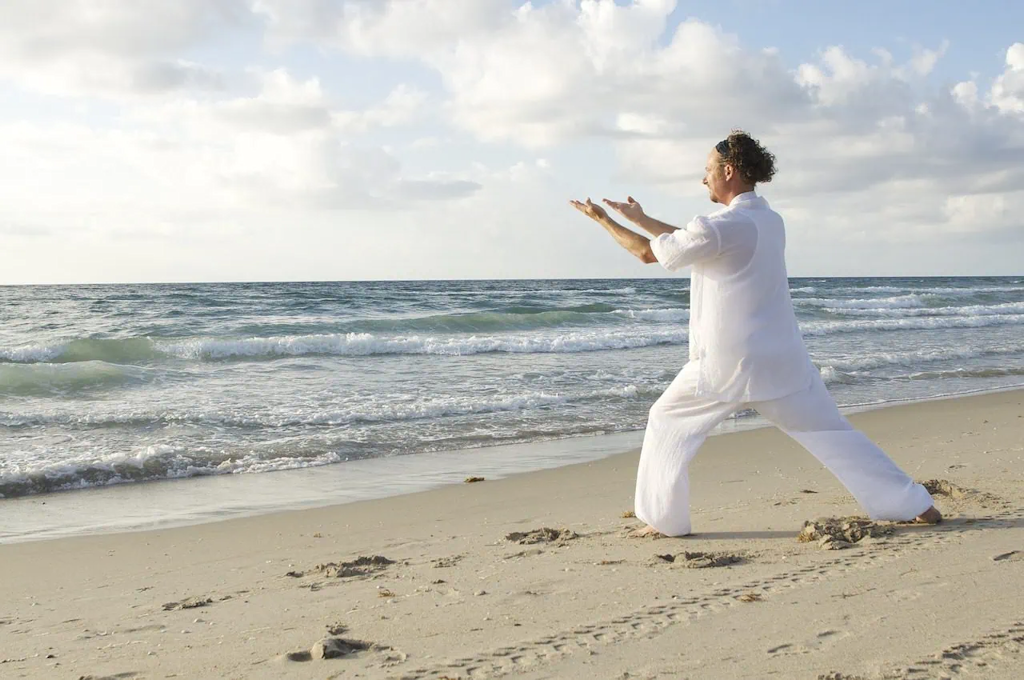
This article examines the global phenomenon of mind-body practices like Tai Chi Chih as contemporary expressions of enduring religious impulses in a secular age. Challenging the classical secularization thesis, it argues that modernity has not eliminated religiosity but transformed it, relocating the sacred from institutional settings to embodied, personal experience. Through the theoretical frameworks of the “spiritual revolution” (Heelas & Woodhead) and “implicit religion” (Bailey), the analysis demonstrates how practices such as Tai Chi, yoga, and mindfulness function as de-institutionalised spirituality, fulfilling traditional religious needs for meaning, transcendence, and connection through physical cultivation. The article explores the “theological residues” (Asad) within supposedly secular wellness activities, revealing their roots in Daoist, Buddhist, and Hindu traditions. Using Tai Chi Chih as a case study, it traces the continuity of spiritual experience from ancient cosmological systems to modern adaptations, examining how concepts like Chi represent both theological and anthropological frameworks for understanding human wholeness. The study further investigates the complex relationship between these practices and institutional religions, noting both tension and potential enrichment. By analyzing the work of Hieromonk Damascene, it models constructive theological engagement across traditions, proposing complementary rather than contradictory paradigms. Ultimately, the article concludes that the wellness culture represents not the disappearance of the sacred but its reconfiguration — a migration of transcendence into immanent, embodied forms that maintain spiritual continuity while adapting to contemporary sensibilities and needs.
About the author(s)

Elena Narinskaya
Former Associate Member of Department of Theology at University of Oxford